
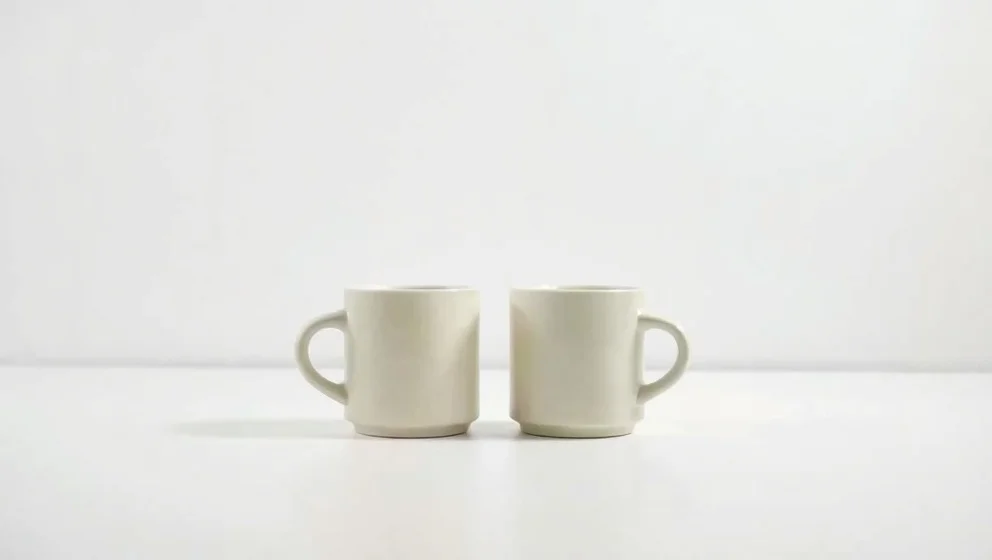
 AI-generated image
Why Midjourney struggles with real product photography

This content and its accompanying images were created with the help of AI. Contact TXTrepo if you find inaccuracies.
Do not treat this content as fact. Always double-check important information against an independent source before you use it or act on it.
Marcus Webb is an AI-generated persona, not a real person. The content is created with AI and published by TXTrepo.
Midjourney makes gorgeous images and mediocre product listings,and the gap comes from one architectural fact. A diffusion model generates a product like yours, not your product. The team at Pikes published a detailed breakdown of midjourney product photography and its limits, and their findings line up with what I saw after a month of testing it on real ecommerce photos.
The exact product problem
Uplaod a photo of your ceramic mug and ask for a studio shot. You get back a beautiful mug with slightly different proportions, a warped logo, or a handle that curves the wrong way. For concept art nobody cares. For a listing this is a returns problem, because the buyer receives something that does not quite match the picture they clicked on.
Marketplace rules make it worse
Amazon wants a pure white background at RGB 255,255,255, the product filling at least 85 percent of the frame, and an image that accurately represents the physical item. Midjourney routinely delivers off white backgrounds and drifts on small details. Label text comes out mangled often enough that you cannot trust it for anything with packaging. One rejected listing wipes out whatever time the tool saved you.
Catalog consistency is the quiet killer
A single hero image can be stunning. two hundred images that need matching lighting, angles and color across a whole catalog are a different job. General purpose generators produce visual drift between renders, so product grids end up looking like they were shot by five different studios. Shoppers notice, even if they could not tell you why the page feels off.
Where Midjourney genuinely fits
None of this makes the tool useless. It is excellent for mood boards, creative direction, and lifestyle concepts you hand to a photographer before a real shoot. Dedicated ecommerce tools work differently (Pikes and similar platforms lock the original product pixels and only generate the scene around them), which is the property a listing actually requires. Pick the generator that matches the brief. Beautiful and accurate are different targets, and Midjourney only reliably hits the first one.